
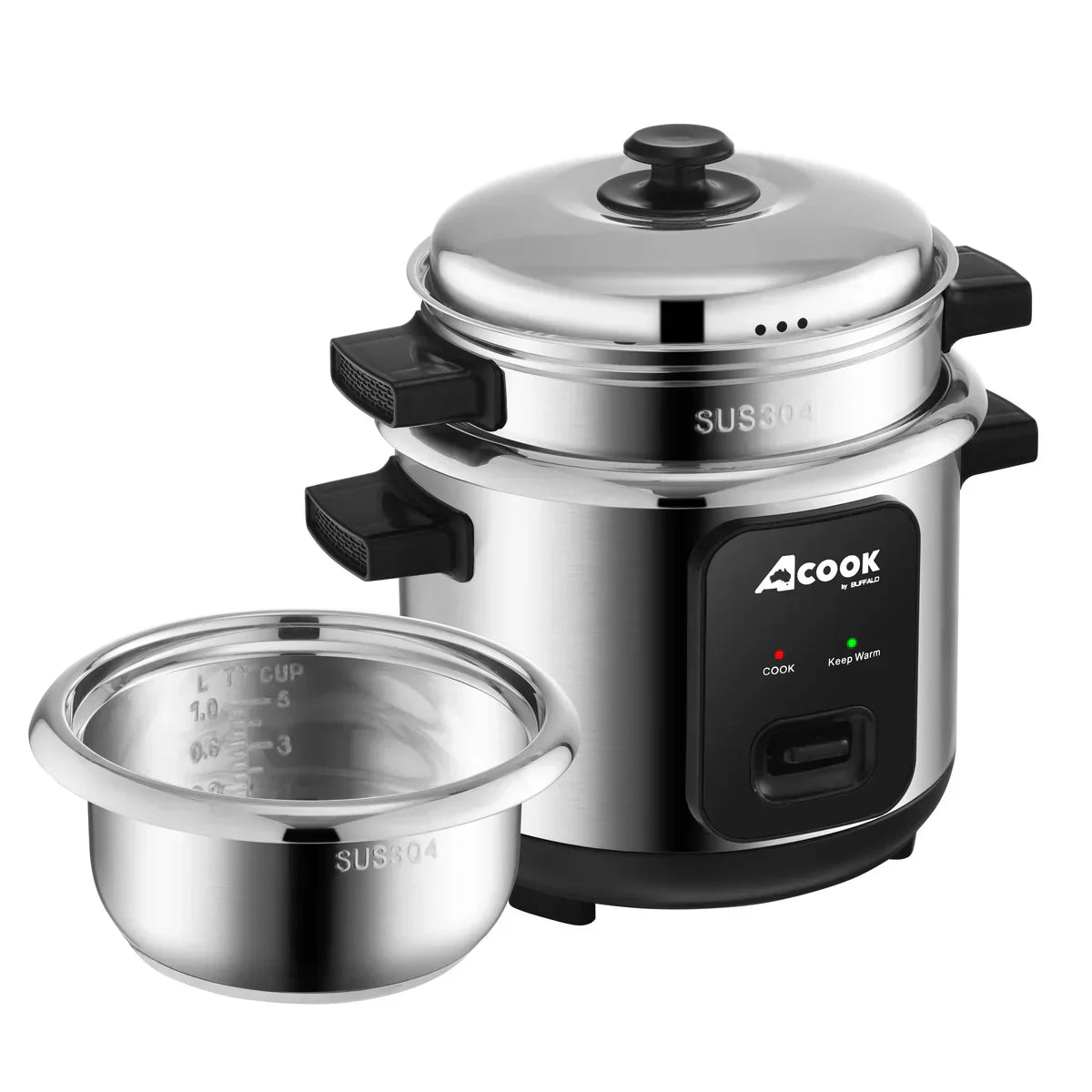
If you walk into any professional kitchen from Melbourne’s laneways to Sydney’s waterfront, you won't see a sea of non-stick Teflon. You will see the shimmering, battle-hardened silver of stainless steel. It is the gold standard for a reason: it conducts heat beautifully, it doesn’t react with acidic ingredients like tomatoes or lemon, and it can last for decades if treated with respect.
However, many Australian home cooks feel intimidated by it. We’ve all been there, staring at a scorched base after a botched risotto or wondering why a brand-new pan now looks like it’s covered in an oil slick. This guide is your mentorship in metallurgy. I will show you how to clean stainless steel pans to maintain that showroom shine and, more importantly, how to keep your cookware performing like a professional tool for a lifetime.
The Beauty of Stainless Steel: Why It’s the Australian Kitchen Workhorse
In Australia, our cooking style is diverse. One night we are searing a high-quality Wagyu steak, and the next we are simmering a slow-cooked lamb shank or a spicy Thai curry. Stainless steel is the only material that handles this range without breaking a sweat. Unlike cast iron, it doesn’t require a complex seasoning process. Unlike non-stick, it doesn't have a delicate coating that flakes off into your food the moment you use a metal spatula.
Stainless steel, specifically the 18/10 grade found in premium brands—is an alloy. The "18" refers to chromium, which gives the steel its rust resistance, and the "10" refers to nickel, which provides that mirror-like lustre. It is incredibly durable, but it isn't indestructible. It is a precision instrument, and like any high-end tool, it requires a specific maintenance philosophy to stay at its peak.
The Golden Rule: Start Gentle and Work Your Way Up
The most common mistake people make with stainless steel is reaching for the heavy artillery too early. Imagine you have a small smudge on your car’s windscreen; you wouldn't start by using sandpaper. The same logic applies to your pans.
Always start with the mildest cleaning method possible. If warm water and a soft cloth work, stop there. If the stain persists, move to a mild abrasive like bicarbonate of soda (baking soda). Only when you are facing a true culinary catastrophe should you reach for a specialised stainless steel cleaner or industrial-strength products. By following this "escalation of force," you preserve the smooth surface of the steel, ensuring food slides off easily for years to come.
Daily Maintenance: The Routine Clean
Maintaining stainless steel isn't about one big scrub once a month; it’s about the small habits you form after every meal. If you master the daily routine, you will rarely ever need to perform a "deep clean."
The Power of Warm Soapy Water
It sounds simple because it is. Once your pan has cooled down (never plunge a screaming hot pan into cold water, or you risk "thermal shock", which can warp the base), soak it in hot water and soap using a few drops of high-quality dish soap. Most Australian brands like Morning Fresh or Earth Choice are perfectly suited for this.
Use a soft sponge or a non-scratch nylon pad. Avoid those green scrubby pads that feel like sandpaper; they are often embedded with minerals that can create micro-scratches. These scratches might be invisible at first, but over time they create a "toothy" surface that food loves to grip onto, effectively ruining the pan's natural release properties.
Why Drying Immediately Is Non-Negotiable
If you take only one piece of advice from this guide, let it be this: dry your pans with a towel immediately after washing. In many parts of Australia, our tap water is "hard," meaning it contains minerals like calcium and magnesium. If you let your pans air-dry on the rack, the water evaporates and leaves these minerals behind as unsightly white spots or streaks.
A quick wipe with a clean tea towel prevents these spots and ensures the chromium in the steel reacts with oxygen to maintain its protective "passive layer." This layer is what prevents the pan from rusting or pitting.
Conquering Common Cookware Enemies
Even the most careful cook will eventually face the "big three" of stainless steel stains. These aren't signs of a bad pan; they are simply the result of chemistry.
Stuck-on Food
We’ve all had that moment where a piece of salmon or a stray bit of onion refuses to budge. Instead of scrubbing until your arm aches, use heat to do the work for you. While the pan is still on the stove (or reheated slightly), pour in a cup of water or a splash of white vinegar. As the liquid simmers, use a wooden spatula to gently scrape the bottom. The steam and the movement of the liquid will lift the proteins right off the surface. This is essentially the same process chefs use to make a pan sauce, but here, the "sauce" goes down the sink.
Rainbow Stains (Heat Tint)
Have you ever noticed a swirling, oil-slick-like rainbow pattern on the bottom of your pan? This is called "heat tint." It happens when the steel is heated rapidly, causing the protective layer of chromium oxide to thicken. It’s perfectly harmless, but it looks messy.
The fix is incredibly simple: acid. Pour a little bit of diluted white vinegar into the pan and swirl it around, or wipe it with a cloth dipped in lemon juice. The acid breaks down the thickened oxide layer instantly to restore shine and the silver finish. Rinse, dry, and it’s gone.
White Chalky Spots (Calcium Buildup)
If you live in South Australia or parts of Western Australia, you likely deal with significant lime and calcium in your water. Over time, this creates a cloudy, white film on your cookware. Much like the rainbow stains, these are mineral deposits that hate acid. A quick soak in a 1:3 solution of vinegar and water will dissolve these spots. If they are particularly stubborn, boil the vinegar solution in the pan for five minutes, and they will disappear.
The Deep Clean: Dealing with Burnt-on Messes and Carbon Build-up
Sometimes, life happens. You get distracted by a phone call, and your beautiful Esteele frypan is suddenly covered in a black, carbonised crust. Don't panic, and don't throw it away.
The Bicarbonate of Soda Paste
Bicarb is the secret weapon of the Australian pantry. It is mildly abrasive but softer than stainless steel, meaning it can scrub away burnt food without scratching the metal. Mix bicarb with a small amount of water to create a thick paste, roughly the consistency of toothpaste. Apply it to the burnt areas and let it sit for at least 30 minutes. The alkaline nature of the soda helps break down the acidic bonds in the burnt food. After a soak, use a damp cloth to scrub in a circular motion. You’ll be amazed at how the black crust simply lifts away.
The Boiling Method for Stubborn Residue
If the bicarb paste isn't enough, it’s time to use heat again. Fill the pan with water and a generous half-cup of bicarb soda. Bring it to a rolling boil. As the water bubbles, the bicarb works its way under the carbon layer. You will often see large flakes of burnt material start to float to the surface. Let it boil for 10 minutes, then dump the water and give it a standard wash.
Bar Keepers Friend: The Pro’s Secret Weapon
If you ask any professional chef how they keep their pans looking new, they will point to a golden tin of Bar Keepers Friend. Luckily, this American classic is now widely available in Australia at supermarkets like Coles and Woolworths. It contains oxalic acid, which is incredibly effective at removing rust, tarnish, and cooked-on grease. Use the powder version, create a slurry, rub it in for no more than a minute, and rinse thoroughly. It is the closest thing to "magic" in the cleaning world, but use it sparingly, it’s powerful.
The "Do Not" List: What to Avoid to Protect Your Investment
To keep your pans for forty years, you need to know what kills them.
Steel Wool and Abrasive Scourers
Never use silver steel wool (like Brillo pads) or heavy-duty metal scourers on your stainless steel. These are much harder than the 18/10 steel of your pan and will leave deep scratches. These scratches don't just look bad; they trap food particles and bacteria, making the pan harder to clean every time you use it. Stick to nylon or natural fibre brushes.
Bleach and Chlorine-Based Cleaners
Chlorine is the mortal enemy of stainless steel. While the name "stainless" implies it can’t be stained, chlorine can actually cause "pitting", tiny, microscopic holes that eat into the metal. Once a pan is pitted, it is permanently damaged. Always check your cleaning products to ensure they are bleach-free.
The Dishwasher Debate: Why Handwashing Wins
Can you put stainless steel in the dishwasher? Yes. Should you? No. Dishwasher detergents are incredibly harsh and abrasive. Over hundreds of cycles, the high-pressure water and caustic chemicals will dull the exterior finish of your pans and can eventually degrade the bonding agents used in multi-clad pans (where aluminium is sandwiched between steel). Handwashing takes two minutes and will extend the life of your cookware by decades.
Polishing for a Showroom Shine
If you're hosting a dinner party and want your kitchen to look like a magazine spread, you can give your pans a final polish.
The Olive Oil Trick
After washing and drying your pan, put a single drop of olive oil (or any vegetable oil) on a paper towel. Buff the exterior of the pan in the direction of the metal's "grain." This doesn't just make it shine; it creates a temporary barrier that helps repel fingerprints and water spots. Just remember to wipe off any excess so it doesn't feel greasy.
Microfibre Magic
A high-quality microfibre cloth is the best tool for a final buff. Because the fibres are so small, they can pick up the tiny remnants of mineral deposits that a standard cotton tea towel might miss. A quick once-over with a dry microfibre cloth will give you that deep, mirror-like reflection.
How to Prevent Damage Before It Happens
Prevention is the ultimate cleaning hack. If you use your pans correctly, they will barely need cleaning at all.
The Importance of Pre-Heating (The Water Droplet Test)
The biggest reason food sticks to stainless steel is that the cook didn't wait for the pan to get hot. Stainless steel has "pores" on a microscopic level. When the pan is cold, these pores are open. When you put food in a cold pan, the proteins get trapped in those pores, acting like glue.
To prevent this, use the Leidenfrost Effect (The Water Droplet Test). Heat your dry pan over medium heat for 2-3 minutes. Drop a bead of water onto the surface. If it sizzles and evaporates, the pan isn't ready. If the water stays in a single bead and dances around the pan like a marble, the pores have closed. Now, add your oil, then your food. It will be as non-stick as any Teflon pan you've ever owned.
Avoiding Salt Pitting
Never add salt to cold water in a stainless steel pot. If the salt crystals sink to the bottom and sit there without dissolving, they can cause "pitting" (those tiny white permanent dots). Always bring your water to a boil first, then add salt. The motion of the boiling water ensures the salt dissolves instantly.
Managing High Heat on Gas vs. Induction Cooktops
In Australia, we are seeing a massive shift toward induction. Induction heats the pan incredibly fast. Because stainless steel holds heat well, you rarely need to go above a medium-high setting. If you use "Boost" mode on an empty stainless steel pan, you can heat-tint or warp it in seconds. Be patient; let the pan come up to temperature gradually.
When Is It Time to Retire a Stainless Steel Pan?
The beautiful thing about stainless steel is that it is almost impossible to truly "kill." However, there are two scenarios where it’s time to say goodbye:
-
Severe Warping: If the base has bowed so much that it no longer sits flat on your cooktop, it won't heat evenly. This is especially problematic for induction and ceramic tops.
-
Delamination: If you have a "tri-ply" or "multi-clad" pan and you see the layers of metal starting to separate at the edges, the pan is no longer safe to use. Moisture can get trapped between the layers, leading to bacterial growth or the risk of the pan "popping" under high heat.
Beyond that, almost any stain, burn, or discolouration can be fixed with a little bit of chemistry and elbow grease.
A Final Word on Culinary Longevity
Your stainless steel cookware is more than just a set of tools; it’s an investment in your home and your cooking. In a world of "disposable" kitchen gadgets, a good stainless steel pan stands as a testament to quality and durability.
By following the routine of gentle cleaning, immediate drying, and using heat-management techniques like the water droplet test, you aren't just keeping your pans clean—you are mastering the art of the kitchen. These pans will see you through thousands of Sunday roasts, quick Tuesday night stir-fries, and experimental dinner parties. Treat them well, and they will be the quiet, shimmering heroes of your Australian kitchen for a lifetime.