
If you’ve ever stood in a kitchen aisle feeling paralysed by the rows of gleaming silver pots and pans and colourful pastel pots, you aren't alone. Choosing the right cookware isn't just about matching your kitchen decor; it’s about choosing a partner for your culinary journey. One material offers the rugged reliability of a vintage truck, while the other provides the smooth, effortless glide of a modern electric car.
Stainless steel and ceramic represent two fundamentally different philosophies of cooking. One demands a bit of technique but rewards you with a lifetime of service; the other offers immediate gratification and a stress-free morning scramble. To decide which belongs on your stovetop, we need to peel back the marketing labels and look at how these materials actually behave when the heat is on.
Understanding the Fundamentals: What Exactly Are These Materials?
Before we talk about searing steaks or flipping omelettes, we have to understand what these pans are made of. The terms "stainless", which refers to an alloy containing chromium, and "ceramic" are often thrown around, but they don't always mean what you think they do.
The Anatomy of Stainless Steel
High-quality stainless steel cookware is rarely just steel. On its own, iron-based mild steel is actually a poor conductor of heat. To fix this, manufacturers use "cladding." If you look at a premium stainless steel pan, you’re usually looking at a sandwich: an outer layer of durable stainless steel surrounding a core of highly conductive aluminium or copper. This marriage of metals gives you the best of both worlds, the indestructible surface and corrosion resistance provided by nickel and steel with the rapid, even heating of more sensitive metals.
The Reality of Ceramic Cookware
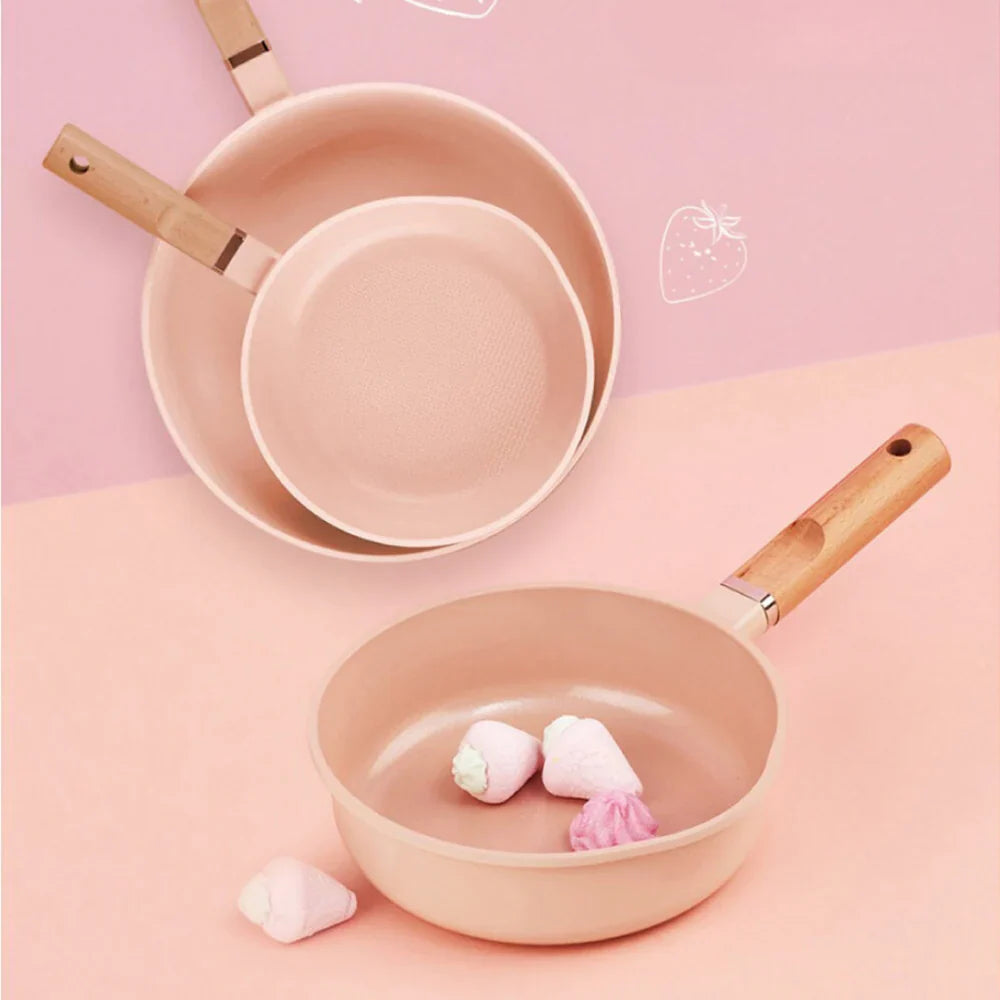
Despite the name, a ceramic pan isn't a solid block of pottery. It is typically a metal pan (usually aluminium) coated with a layer of "sol-gel." This coating is derived from silica, essentially sand, that has been processed into a glass-like finish. It is called ceramic because the coating is inorganic and mineral-based, rather than the plastic-based polymers found in traditional Teflon pans. This creates a surface that is naturally slick without synthetic chemicals.
The Case for Stainless Steel: The Professional’s Workhorse
There is a reason why, if you peek into the kitchen of a Michelin-starred restaurant, you will see racks draped in well-loved stainless steel. It is the undisputed workhorse of the professional world.
Unbeatable Durability and Longevity
Stainless steel is the "buy it for life" option. It doesn't have a coating to flake, peel, or wear thin over time. You can use metal utensils like spatulas, whisk vigorously, and even accidentally drop them on a tile floor without compromising their performance. It is non-reactive, meaning you can simmer acidic foods like tomato sauce for hours without the pan leaching a metallic taste into your food or the acid etching the surface.
Precision Heat Control and Searing Capabilities
If you want to achieve that perfect, crusty brown sear on a ribeye or a scallop, stainless steel is your best friend. Because it can handle extremely high temperatures without damage, it excels at the Maillard reaction, the chemical process that creates flavour through browning. Furthermore, because it lacks a non-stick coating, it encourages "fond", those delicious caramelised bits stuck to the bottom of the pan that serve as the foundation for world-class pan sauces.
Maintenance: The "Scrub-ability" Factor
Many beginners fear the cleaning process of stainless steel, but its "scrub-ability" is actually a pro, not a con. If you burn something onto a ceramic pan, the coating might be ruined forever. With stainless steel, a bit of Bar Keepers Friend and a scouring pad will bring it back to a factory shine every single time. It is also one of the few cookware materials that is truly dishwasher-safe, though hand-washing is always gentler.
The Case for Ceramic: The Home Cook’s Convenient Companion
While stainless steel is a powerhouse, ceramic is the master of the "tuesday night dinner." It’s designed for the cook who values speed, health, and a lack of frustration.
The Non-Stick Revolution and Healthy Cooking
The primary draw of ceramic is its incredible release properties. Eggs slide across the surface like skaters on ice. Because the surface is so slick, you can cook with significantly less oil or butter than you would in a stainless steel pan. For the health-conscious cook, this is a game-changer. You get the benefits of non-stick cooking without worrying about PFOAs or PTFEs, which are the chemicals found in older generations of non-stick pans.
Aesthetics and Ease of Use
Let’s be honest: ceramic cookware looks beautiful. It comes in an array of vibrant colours that can transition from the stovetop to the dining table. Beyond looks, it’s remarkably lightweight. If you find heavy cast iron or multi-clad stainless steel difficult to maneuver with one hand, ceramic offers a refreshing lightness that makes tossing vegetables or pouring sauces a breeze.
Thermal Retention and Low-and-Slow Cooking
While ceramic-coated aluminium heats up quickly, it also holds onto heat remarkably well. This makes it excellent for "low and slow" tasks. If you are simmering a delicate cream sauce or melting chocolate, ceramic provides a gentle, consistent heat that is less likely to cause hot spots or sudden scorching than thinner, cheaper metal pans.
Side-by-Side Comparison: How They Stack Up
When we put these two side-by-side, the differences in their physical properties and heat distribution become clear.
Heat Conductivity and Distribution
Stainless steel (specifically clad versions) is the king of responsiveness. When you turn the dial down, the pan reacts almost instantly. Ceramic is slightly more sluggish; it takes a moment to heat up and stays hot longer. For high-heat tasks like stir-frying, stainless wins. For gentle simmering, ceramic holds its own.
Safety and Chemical Concerns
Both materials are considered very safe, but for different reasons. Stainless steel is chemically inert and stable at high temperatures. Ceramic is praised for being "green," non-toxic, and free of toxic fumes even if you accidentally overheat the pan. However, be wary of ultra-cheap ceramic pans, as low-quality glazes can occasionally contain trace amounts of lead or cadmium, always buy from reputable brands.
Versatility Across Different Cooktops
Stainless steel is the ultimate utility player. Almost all quality stainless steel is induction-compatible and oven-safe up to 260°C or more. Ceramic is more limited. Many ceramic pans use a non-magnetic aluminium base, meaning they won't work on induction cooktops unless they have a specialised steel plate on the bottom. Additionally, the non-stick coating can degrade if exposed to the high heat of an oven grill.
The Longevity Gap: Why One Lasts Decades, and the Other Doesn't
This is the most critical distinction for any buyer. Stainless steel is an investment in the future. A high-quality tri-ply stainless steel pan can be passed down to your children. Its performance does not degrade with age.
Ceramic, by contrast, is a consumable. No matter how well you care for it, the "sol-gel" coating is a layer of microscopic jagged peaks that eventually smooth out or fill with carbonised oil. Over time, the non-stick property will fade. Most ceramic pans have a functional lifespan of two to five years. If you buy ceramic, do so with the understanding that you are paying for convenience, not permanence.
Which One Should You Choose?
The "better" pan depends entirely on your cooking style and your tolerance for maintenance.
Choose Stainless Steel If...
You want to master professional techniques like deglazing and searing. You should opt for steel if you want a pan that can go from the stove to a 260°C oven without a second thought, and if you want to buy your cookware once and never think about it again.
Choose Ceramic If...
Your daily cooking consists of eggs, delicate fish, or simple sautéed greens. It’s the right choice if you want the easiest possible cleanup and prefer to cook with minimal fat. It’s also ideal for those who are intimidated by the "stickiness" of steel and want a pan that works perfectly right out of the box.
Can You Have Both? Building the Ultimate Hybrid Kitchen
The smartest cooks don’t actually choose between the two, they build a hybrid kitchen. You don't need a 12-piece set of either. Instead, consider buying a high-quality stainless steel skillet and a large saucepan for your heavy lifting, searing, and sauces. Then, supplement those with a single 10-inch ceramic frying pan dedicated exclusively to eggs and delicate foods. By using the right tool for the right job, you extend the life of your ceramic coating and enjoy the indestructible power of stainless steel, giving you the best of both worlds.
Ready to upgrade your kitchen? Discover high-quality cookware and everyday kitchen essentials at Uncle Buffalo and build a setup that suits the way you cook.