
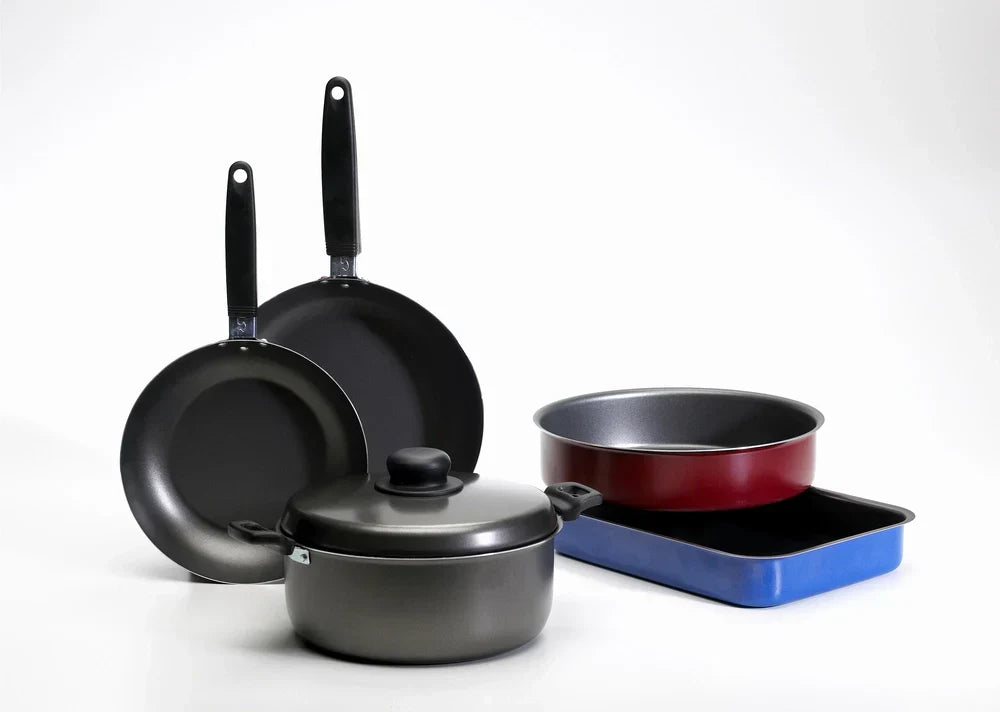
If you have ever stood in a kitchenware aisle, staring down a gleaming $150 stainless steel skillet and a sleek, dark non-stick pan, you’ve faced the ultimate culinary crossroads. It isn’t just about aesthetics; it’s about how you want to interact with your food every morning and evening. This debate has simmered in home kitchens for decades, often pitting the rugged reliability of a professional chef’s favourite against the smooth, user-friendly charm of a modern convenience.
Why your choice of pan matters more than the recipe
We often obsess over sourcing organic shallots or high-grade ribeye, yet we overlook the vessel that bridges the gap between raw ingredients and a finished meal. The material of your cookware dictates the chemistry of your dinner. It determines whether your salmon skin shatters with a satisfying crunch or tears away into a soggy mess. It decides whether those browned bits at the bottom of the pan, the "fond", will become a rich, velvety sauce or simply burnt carbon. Choosing between stainless steel and non-stick isn't just a purchase; it’s a commitment to a specific cooking style.
Understanding Stainless Steel: The Professional’s Workhorse
In the back of the house at any Michelin-starred restaurant, you won’t see stacks of non-stick pans. You will see battered, scorched, yet indestructible stainless steel. It is the industry standard for a reason. Stainless steel is an alloy, usually a blend of iron, chromium, and nickel, designed to be corrosion-resistant while standing up to the brutal environment of a high-heat kitchen.
What makes stainless steel so durable?
Stainless steel is the marathon runner of the kitchen. Unlike pans with delicate coatings, there is nothing to "wear off" on a stainless skillet. You can scrub it with steel wool, scrape it with metal spatulas, and toss it into a 500-degree oven without breaking a sweat. High-quality stainless steel often features "tri-ply" construction, meaning a core of aluminium or copper is sandwiched between layers of steel. This gives you the best of both worlds: the incredible heat conductivity of those softer metals and the armour-like protection of the steel exterior.
Mastery of searing and fond
The true magic of stainless steel lies in its ability to facilitate the Maillard reaction, the chemical process that creates that savoury, brown crust on a seared steak. Because stainless steel allows food to grip the surface slightly before releasing, it creates "fond." These are the caramelised proteins left behind after you sear meat. When you add a splash of wine or stock to a hot stainless pan, those bits dissolve into the liquid, creating a pan sauce with a depth of flavour that a non-stick pan simply cannot replicate.
Why food sometimes sticks
The most common complaint from beginners is that stainless steel "hates" them. They drop a piece of chicken in, and it becomes one with the metal. This happens because steel is porous at a microscopic level. When cold food hits a pan that hasn't been properly heated, the proteins bond to these tiny pores like a lock and key. Mastering stainless steel requires patience, specifically understanding that food will tell you when it’s ready to be flipped by naturally releasing itself from the surface.
Exploring Non-Stick: The King of Convenience
On the other side of the spectrum sits the non-stick pan, the ultimate tool for the "I just want to eat" crowd. Its primary mission is to lower the barrier to entry for cooking. By creating a slick, hydrophobic barrier between the metal and your ingredients, a nonstick coating ensures that even the stickiest substances slide right off.
PTFE vs. Ceramic
When we talk about non-stick, we are generally looking at two camps. The traditional choice is PTFE (often known by the brand name Teflon). It is incredibly slick and has been the gold standard for decades. Recently, "ceramic" non-stick, made from a sand-based sol-gel coating, has surged in popularity as a "greener" alternative. While ceramic handles higher heat slightly better than PTFE, it tends to lose its non-stick properties faster. Both serve the same purpose: making sure your omelette doesn't turn into a frantic cleanup project.
Perfect eggs and delicate fish
There are certain foods that are simply "high-risk" in a stainless pan. Imagine a delicate fillet of tilapia or a soft-scrambled egg. In a non-stick pan, these items glide around like skaters on fresh ice. This allows you to use much less fat, making it an essential tool for those who want to sauté vegetables or fry eggs without a heavy pool of butter or oil.
Why non-stick doesn’t last forever
The trade-off for that convenience is a ticking clock. No matter how much you spend, every non-stick pan is a consumable product. Over time, high heat and abrasive tools create microscopic scratches. Eventually, the coating loses its "release" power, and food begins to stick. While a stainless steel pan can be a family heirloom passed down through three generations, a non-stick pan usually has a lifespan of two to five years before it needs to be recycled.
Performance Head-to-Head: A Side-by-Side Comparison
1. Heat Retention and Distribution
Stainless steel (especially multi-clad versions) is a powerhouse of heat distribution. It gets hot and stays hot, making it ideal for consistent browning. Non-stick pans, often made from thinner aluminium, heat up incredibly fast but also lose that heat the moment you drop a cold steak into them.
2. Durability and Longevity
This is a landslide victory for stainless steel. It is virtually indestructible. Non-stick is the "glass slipper" of the kitchen—once it's scratched or the coating is overheated, its primary function is gone.
3. Maintenance and Cleaning Rituals
Non-stick is the clear winner for daily maintenance. A quick swipe with a soapy sponge is usually all it takes. Stainless steel requires more "elbow grease." If you burn fat onto the surface, you might need a specialised cleaner like Bar Keepers Friend to restore that mirror-like shine.
4. Health and Safety Considerations
Stainless steel is inert, making it ideal for cooking acidic foods, and is perfectly safe at any temperature. Non-stick requires more care; if you overheat a PTFE pan (above 500°F), the coating can break down and release fumes. As long as you cook on low-to-medium heat and avoid scratching the surface, modern non-stick is perfectly safe, but stainless steel offers total peace of mind for high-heat techniques.
The Crucial Differences in Cooking Technique
Preheating: The "Leidenfrost Effect" in stainless steel
To make stainless steel "non-stick," you must master the Leidenfrost Effect. This occurs when you heat the pan enough that a drop of water doesn't evaporate, but instead beads up and dances across the surface like mercury. This indicates the pan is hot enough to instantly sear the food, creating a steam barrier that prevents sticking. In contrast, you should never "dry heat" a non-stick pan for long, as it can damage the coating.
Utensil choice: Metal vs. Silicone
With stainless steel, the world is your oyster, as you can freely use metal utensils. Use metal tongs, whisks, or spatulas without fear. With non-stick, you must be disciplined. One slip with a metal fork can leave a permanent scar on the coating. Silicone or wooden tools are mandatory for the longevity of non-stick surfaces.
Fat and Oil: How much do you really need?
In a stainless pan, fat is a structural necessity. It fills the microscopic gaps in the metal and helps conduct heat. In a non-stick pan, oil is largely for flavour. You can fry an egg in a dry non-stick pan if you choose, making it a powerful tool for calorie-conscious cooking.
When to Reach for Stainless Steel
Searing steaks and deglazing sauces
If you want a steak that looks like it came from a high-end steakhouse, you need stainless steel or heavy cast iron. The high heat capacity creates that deep mahogany crust, and the ability to deglaze the pan with red wine afterwards turns the leftover bits into a gourmet sauce.
Oven-to-table versatility
Many recipes call for searing meat on the stovetop and then finishing it in the oven. Stainless steel handles this transition beautifully. Most non-stick pans have temperature limits or plastic handles that make them less oven-safe and ill-suited for the intense heat of a broiler.
Deglazing and making pan sauces
Because stainless steel encourages "sticking" in a controlled way, it is the only choice for complex sauces. The flavour profile of a sauce made in a stainless pan will always be superior to one made in a non-stick because of the pre-flavour of the fond.
When to Reach for Non-Stick
Breakfast staples and delicate proteins
Eggs are the ultimate test for any pan. Whether it’s a French omelette or over-easy eggs, the non-stick pan is the undisputed champion. Similarly, for delicate white fish or pancakes, the non-stick surface ensures the food stays intact.
Low-fat cooking for health-conscious meals
If you are trying to cut back on oils and butter, non-stick is your best friend. You can "sauté" vegetables with just a tablespoon of water or a tiny spritz of oil, and nothing will gum up the bottom of the pan.
Quick weeknight cleanups
After a long day at work, the last thing you want to do is scrub a pan. For a quick stir-fry or a grilled cheese sandwich, the 10-second cleanup of a non-stick pan is an underrated luxury.
Cost vs. Value: The Long-Term Investment
Buy it once vs. replace it often
When evaluating cost, look at the "cost per use." A $100 stainless steel skillet might seem expensive, but if you use it for 30 years, it costs pennies per month. A $30 non-stick pan that you have to replace every two years eventually becomes the more expensive option. Think of stainless steel as an investment in your kitchen’s foundation, and non-stick as a high-utility tool that will eventually need a replacement.
The Hybrid Kitchen: Why You Probably Need Both
The "either/or" mentality is a trap. Most seasoned home cooks realise that a "hybrid kitchen" is the most efficient setup. You don't need a 12-piece set of one or the other when selecting your pots and pans. Instead, curate a collection based on what you actually cook.
Building a "Mixed" Cookware Set
A perfect "starter" kitchen might include:
-
One 10-inch Stainless Steel Skillet: For searing meats, sautéing, and making pan sauces.
-
One 8-inch Non-Stick Skillet: Dedicated almost exclusively to eggs and small, delicate tasks.
-
A Stainless Steel Sauté Pan or Dutch Oven: For larger, liquid-heavy meals like stews or braises.
By splitting your loyalty, you ensure that you always have the right tool for the job without putting unnecessary wear on your delicate non-stick surfaces or struggling with "stuck" eggs on your stainless steel.
Which One Should You Buy First?
If you are just starting your kitchen journey and can only afford one high-quality piece, go with stainless steel. It will teach you more about the mechanics of cooking, heat control, timing, seasoning, and the importance of fat than non-stick ever will. It is a forgiving partner that won't punish you for using the wrong spatula and will stay by your side for decades.
However, if your mornings are defined by a quick scrambled egg and your evenings by simple, low-fat meals, a high-quality non-stick pan will be the most used tool in your arsenal. The best choice isn't about which pan is "better" in a vacuum; it’s about which one matches the reality of your Tuesday night dinner. Master the heat of the steel, but keep the non-stick close for those delicate moments when you just need the food to slide.
Looking for cookware that lasts beyond everyday wear and tear? Explore Uncle Buffalo’s stainless steel cookware range and upgrade your kitchen with durable pots, pans, woks, and cooking essentials designed for long-term performance.