
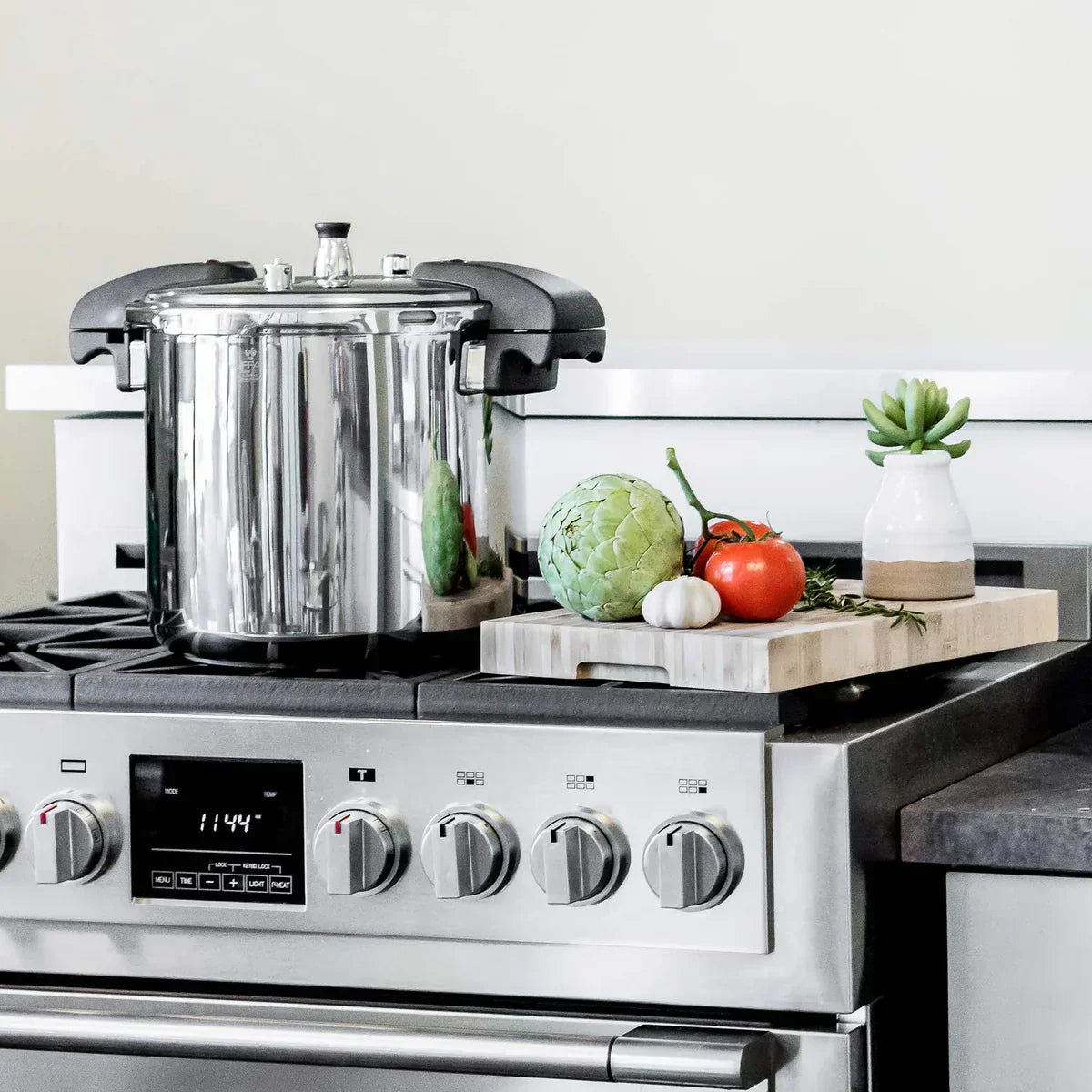
In the world of culinary tools, few items carry the same aura of professional competence as a gleaming, heavy-bottomed stainless steel skillet. It is the workhorse of Michelin-starred kitchens and the pride of home enthusiasts. However, for the uninitiated, stainless steel can feel intimidating. There are whispers about metals leaching into food, fears of scrambled eggs permanently bonding to the surface, and a confusing array of numbers like 18/10 or 3-ply.
The truth is that food-grade stainless steel is one of the safest, most reliable materials you can use, provided you understand the science behind it.
The Reality of Cooking with Stainless Steel
If you have spent your life using non-stick cookware, your first encounter with stainless steel might feel like a culture shock. It doesn't behave like Teflon or other PTFE-based surfaces. It requires heat management, a bit of fat, and a touch of patience. But the trade-off is a level of culinary control that non-stick surfaces simply cannot match.
Stainless steel is not just a vessel; it is a tool for flavour development. It allows for the "Maillard reaction", that chemical magic that turns a grey piece of meat into a crusty, caramelised masterpiece. While it has a learning curve, the reality is that once you master the basics, stainless steel becomes the most predictable and loyal partner in your kitchen.
Why Stainless Steel is the Professional Standard
Professional chefs don't choose equipment based on aesthetics; they choose it based on survival. In a high-volume restaurant, a pan might be used, scrubbed, and heated fifty times in a single shift. Stainless steel is the only material that can endure this cycle for decades.
Durability That Outlasts the Cook
Unlike non-stick pans, which have a "half-life" before the coating begins to flake and fail, stainless steel is essentially immortal. There are no coatings to scratch. You can use metal utensils like spatulas, whisks, and even knives inside the pan without fear. If you drop it, it won't crack like traditional cast iron cookware. If you overheat it, it won't release toxic fumes. A high-quality stainless steel pan is a long-lasting, multi-generational investment.
Non-Reactive Properties (The Acid Test)
One of the greatest advantages of stainless steel is its "inert" nature. Some metals, like reactive aluminium or unseasoned cast iron, react chemically with acidic foods. If you simmer a tomato sauce in a reactive pan for two hours, the acid will leach metallic flavours into the sauce, leaving it with a tinny, unpleasant aftertaste. Stainless steel is non-reactive, meaning you can cook wine reductions, citrus glazes, and heavy tomato sauces without the pan ever interfering with the flavour profile.
Versatility Across Heat Sources
A good stainless steel pan is a shapeshifter. It can start on a gas burner to sear a steak, move to an induction hob for a gentle simmer, and then slide into a 500-degree oven to finish roasting. This "stove-to-oven" capability is essential for complex recipes and minimises the number of dishes you need to wash.
The Safety Profile: Can Metal Leach into Your Food?
Safety is often the primary concern for those moving away from "forever chemicals" like PFAS found in some non-stick coatings. However, because stainless steel is an alloy, a mixture of different metals, people naturally wonder if heavy metals end up in their dinner.
Understanding Chromium and Nickel
Stainless steel is primarily iron, but what makes it "stainless" is the addition of chromium and nickel. Chromium provides the corrosion resistance, creating an invisible layer of chromium oxide that protects the metal from rusting. Nickel is added to improve the lustre and make the metal more resistant to high-temperature scaling.
Is Leaching a Real Health Risk?
The short answer is: for the vast majority of people, no. Studies have shown that while microscopic amounts of nickel and chromium can leach into food, particularly during long cooking cycles of highly acidic foods (like a 24-hour tomato sauce), the amounts are well below the tolerable daily intake established by health organisations. For most, these trace amounts are negligible.
When You Should Avoid Using Stainless Steel
The exception to the rule applies to individuals with severe nickel allergies. If you have a medically diagnosed systemic nickel sensitivity, even the trace amounts released during cooking could cause a reaction. In these rare cases, nickel-free stainless steel (usually labelled as 18/0) or alternative materials like glass, ceramic, or titanium may be preferable.
The Secret to Quality: Not All Stainless Steel is Created Equal
Walking down the kitchen aisle, you’ll see two pans that look identical. One costs A$30, and the other costs A$150. The difference isn't just branding; it's the molecular makeup and construction of the metal.
Deciphering the Numbers: 18/10 vs. 18/8 vs. 18/0
These numbers represent the percentages of chromium and nickel. "18/10" means 18% chromium and 10% nickel. This is generally considered the "Gold Standard" for kitchenware because it offers the highest resistance to rust and the most brilliant shine. "18/8" is very similar and widely used in high-end sets. "18/0" contains negligible nickel; while it is safer for those with allergies, it is more prone to dulling and "pitting" over time.
The Importance of Multi-Ply Construction (Cladding)
Here is the catch: stainless steel is actually a terrible conductor of heat. If you had a pan made purely of stainless steel, it would have massive "hot spots" where the flame touches it, while the rest of the pan remained cold.
To fix this, high-quality pans use "cladding." They sandwich a layer of highly conductive metal, usually aluminium or copper, between layers of stainless steel.
-
Impact-bonded bases only have this conductive disk on the bottom.
-
Fully-clad (3-ply or 5-ply) pans have the conductive core running all the way up the sides. This ensures even heating and is the hallmark of a premium pan.
Magnetic vs. Non-Magnetic: Why it Matters for Induction
If you use an induction cooktop, your pans must be magnetic. While 18/10 stainless steel is generally non-magnetic, manufacturers of induction-compatible cookware solve this by using a magnetic 18/0 stainless steel for the outermost layer.
How to Identify High-Quality Cookware Before You Buy
You don't need a degree in metallurgy to spot a good pan. You just need to know where to look.
Weight and Balance
Pick up the pan. It should feel substantial. A heavy pan indicates a thick core of aluminium or copper, which means better heat retention. However, it should also be balanced; if the handle is so heavy that the pan tips when empty, it will be a nightmare to use on a stove.
Handle Design and Attachment
Look for "stay-cool" handles, usually long, hollow, or Y-shaped designs that dissipate heat before it reaches your hand. A good handle should feel ergonomic and secure, allowing you to toss ingredients with a flick of the wrist.
Rivets vs. Welding
This is a point of debate. Riveted handles (where metal bolts go through the side of the pan) are incredibly strong and almost never fail. However, food bits can get stuck around the rivets. Welded handles offer a smooth interior for easy cleaning but can theoretically snap if the weld is poor. In the professional world, rivets are the standard for safety and longevity.
Common Myths and Challenges
"Everything Sticks to It!" (The Science of Thermal Expansion)
The most common complaint about stainless steel is sticking. This usually happens because of "thermal expansion." On a microscopic level, the surface of stainless steel is full of pores. When you put cold food into a cold or lukewarm pan, the proteins "grab" onto these pores.
To prevent sticking, you must preheat the pan until the metal expands and the pores close. Once the pan is hot, add your oil, let it shimmer, and then add your food. The food will "float" on a layer of steam and oil rather than bonding to the metal.
Pitting and Discolouration: Damage vs. Aesthetics
Have you ever seen white spots or "rainbow" swirls on your pan?
-
Rainbow swirls are caused by overheating the metal (oxidation) and are harmless; they can be removed with a splash of vinegar.
-
Pitting looks like small white pockmarks. This is actual damage caused by adding salt to cold water in the pan. The undissolved salt reacts with the chromium. To avoid this, always bring your water to a boil before adding salt.
Mastering the Stainless Steel Learning Curve
The Water Droplet Test (Leidenfrost Effect)
How do you know when your pan is perfectly preheated? Use the water test. Drop a half-teaspoon of water into the dry, heating pan. If it sits and sizzles, the pan isn't ready. If the water breaks into tiny beads that skitter across the surface like marbles, you’ve reached the "Leidenfrost point." This means the pan is hot enough to create an instantaneous vapour barrier, making it effectively non-stick.
Deglazing: The Key to Flavour and Easy Cleaning
After searing meat, you'll see brown bits stuck to the bottom. This is called "fond," and it's culinary gold. While the pan is still hot, pour in a little liquid (wine, stock, or even water). The liquid will bubble violently, lifting the fond into a delicious sauce and simultaneously cleaning the pan for you.
Safe Cleaning Practices to Preserve the Finish
Avoid steel wool if you want to keep that mirror finish. Instead, use a non-abrasive sponge, though most high-quality pieces are technically dishwasher-safe. For tough, burnt-on stains, a powder cleaner like Bar Keepers Friend is the industry secret. It uses oxalic acid to break down mineral deposits and burnt proteins without scratching the metal.
Is Stainless Steel Right for Your Kitchen?
Stainless steel is for the cook who wants a tool that works as hard as they do. It’s for the person who values longevity over the "disposable" nature of non-stick pans. It is for those who want to master the art of the sear and the pan sauce. While it requires a bit of technique, the rewards, better flavour, higher safety, and a lifetime of use, are well worth the effort.
How We Researched the Safety and Performance of These Materials
To provide this guide, we synthesised data from metallurgical studies, FDA safety guidelines regarding metal leaching and migration, and long-term performance tests from professional test kitchens. We looked at the molecular differences between 200, 300, and 400-series steel to ensure that our recommendations for 18/10 and 18/0 cladding are based on both safety and practical durability. Our goal is to demystify the science so you can cook with confidence.
Ready to move away from coated cookware and invest in a safer, longer-lasting kitchen setup? Shop Uncle Buffalo’s stainless steel cookware collection and choose reliable cookware made for everyday home cooking, family meals, and professional-style results.